Watership Down, and the Seven People You'll Meet After the Collapse
On the surface, Watership
Down doesn't appear to have anything the survival community would be
interested in. Told from the perspective of several rabbits that are
trying to find a new home, the cartoon is filled with silly characters,
and a lot of the same themes you would see in any kids movie. If you get
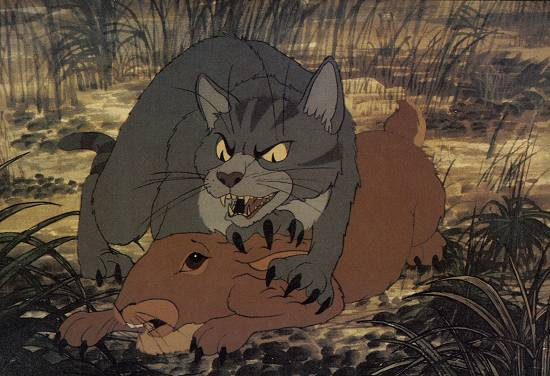
around to watching it though, you'll see it is a gut wrenching story of survival in a savage world that most modern viewers can't believe is rated PG.
Based
on the novel by Richard Adams, the author wrote the rabbit characters
as surrogates for humans and our behaviors. The rabbits have their own
social structures, culture, language, religion, and even a mythology
that attempts to explain why they are near the bottom of the food chain.
Just like any good science fiction or fantasy story, by changing the
setting so drastically the author can tell a very human story about
modern society, without the viewers being clouded by their own
ideologies and cultural norms.
You may still be wondering what
this film has to do with preparedness. With a movie about rabbits living
in vastly different circumstances than us, there really aren't any
survival tips to be gleaned from the story, but bear with me. The movie
is about these rabbits escaping the destruction of their warren (rabbit
colony), setting out into a world filled with traps, predators, and
conditions that they have very little control over.
They
often face as much danger from members of their own species as they do
from their environment (sound familiar?). It's one of the most
apocalyptic films I've ever seen, and I'm surprised it has never been
categorized under the “Post-Apocalyptic” genre.
What it lacks in
survival advice, it makes up for with human advice. The diverse set of
characters that we see in the film are really just stand-ins for
different human personalities, and there's a lot to be learned about the
kinds of human behaviors that surface in dire situations. Below are the
seven characters you are bound to run into when the SHTF. Spoilers
ahead.
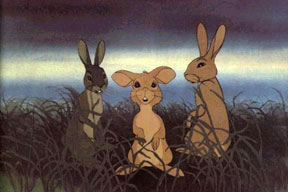
The Prognosticator
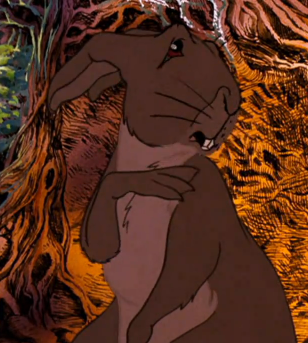
 Fiver
is one of the stranger characters in the movie. He has the gift of
second sight, and it's his frightening visions that serve to warn the
rest of the rabbits in the warren, of the impending disaster that is
coming. Most of the rabbits don't believe him, but he manages to
convince a few to flee with him. Of course, his vision eventually does
come to fruition and almost none of the rabbits that stayed behind
managed to survive.
While you probably don't receive visions of
the future, for all intents and purposes, preppers would be considered
the prophets of their society after any major collapse. Most
preparedness minded folks have a firm pulse on current events, a
thorough grasp of reasonable deduction, and some gut instincts for good
measure. Altogether, this gives them an often overwhelming awareness of
events that may threaten society.
The Mediator
If
you take a look at any group of people, whether it's the workplace, a
family, or a group of friends, there's probably one member that doesn't
stand out in any way, but is crucial to the success of that group. This
person is well rounded, but usually doesn't have any special ability.
They are always working quietly to settle disputes, allay fears, and
pick up the slack that others leave behind. They're usually very good at
bringing out the best of every person in the group.
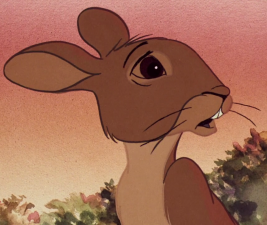
In this case,
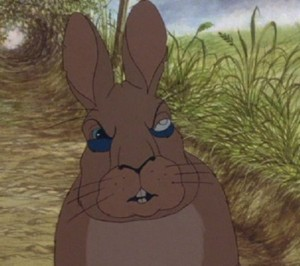
Hazel would have to be considered the mediator. He's the main character
of the story, and often serves as the middleman between his strange
brother Fiver, and the rest of the rabbits who don't understand him. His
ability to bring a diverse set of personalities together under such
stressful circumstances, eventually brings him into a leadership
position in the group.
The Lemming
Known
only as the Chief Rabbit in the movie, he is the leader of the warren
that the main characters flee from. He's really only concerned with
maintaining the status quo, even in the face of certain death. You could
say he suffers from denial and normalcy bias. I was tempted to call him
a tyrant, but I think he still wants what's best for the warren, even
though he should be in no position to lead them. When Hazel first tells
the Chief of his brother's prophecy, and speaks of how often his
brother's visions turn out to be accurate, he is snubbed instead. Their
disagreement doesn't end there though. Like all good lemmings, they not
only don't accept minority opinions, they often attack them. Anything
that threatens the status quo must be punished, even if it means their
own demise.
As the rabbits try to quietly flee the warren under
the cover of darkness, he sends one of his goons to stop them. They're
told “You're all under arrest, for spreading dissension, and inciting
mutiny”. They manage to get past him anyway and flee, and the rest of
the rabbits that decided to stay with the Chief meet a rather gruesome
end. I should also mention that he shares a characteristic with the
leaders of the other two warrens shown in the movie. He is, shall we
say, “well fed”. I'll let you decipher the political symbolism behind
that.
The Improviser
Fiver
is one of the stranger characters in the movie. He has the gift of
second sight, and it's his frightening visions that serve to warn the
rest of the rabbits in the warren, of the impending disaster that is
coming. Most of the rabbits don't believe him, but he manages to
convince a few to flee with him. Of course, his vision eventually does
come to fruition and almost none of the rabbits that stayed behind
managed to survive.
While you probably don't receive visions of
the future, for all intents and purposes, preppers would be considered
the prophets of their society after any major collapse. Most
preparedness minded folks have a firm pulse on current events, a
thorough grasp of reasonable deduction, and some gut instincts for good
measure. Altogether, this gives them an often overwhelming awareness of
events that may threaten society.
The Mediator
If
you take a look at any group of people, whether it's the workplace, a
family, or a group of friends, there's probably one member that doesn't
stand out in any way, but is crucial to the success of that group. This
person is well rounded, but usually doesn't have any special ability.
They are always working quietly to settle disputes, allay fears, and
pick up the slack that others leave behind. They're usually very good at
bringing out the best of every person in the group.
In this case,
Hazel would have to be considered the mediator. He's the main character
of the story, and often serves as the middleman between his strange
brother Fiver, and the rest of the rabbits who don't understand him. His
ability to bring a diverse set of personalities together under such
stressful circumstances, eventually brings him into a leadership
position in the group.
The Lemming
Known
only as the Chief Rabbit in the movie, he is the leader of the warren
that the main characters flee from. He's really only concerned with
maintaining the status quo, even in the face of certain death. You could
say he suffers from denial and normalcy bias. I was tempted to call him
a tyrant, but I think he still wants what's best for the warren, even
though he should be in no position to lead them. When Hazel first tells
the Chief of his brother's prophecy, and speaks of how often his
brother's visions turn out to be accurate, he is snubbed instead. Their
disagreement doesn't end there though. Like all good lemmings, they not
only don't accept minority opinions, they often attack them. Anything
that threatens the status quo must be punished, even if it means their
own demise.
As the rabbits try to quietly flee the warren under
the cover of darkness, he sends one of his goons to stop them. They're
told “You're all under arrest, for spreading dissension, and inciting
mutiny”. They manage to get past him anyway and flee, and the rest of
the rabbits that decided to stay with the Chief meet a rather gruesome
end. I should also mention that he shares a characteristic with the
leaders of the other two warrens shown in the movie. He is, shall we
say, “well fed”. I'll let you decipher the political symbolism behind
that.
The Improviser
 There's certain people
who have a wonderful knack for thinking on their feet. For some reason
they are always able to distance themselves from the urgency of any
situation, and have a clarity of thought that allows them to solve
problems while others are panicking. If you ever have the rare
opportunity to see someone pull this off, you'll never forget it. Some
people aren't even aware they have this ability if they've never been in
a dangerous situation.
In this case, Blackberry saves his fellow
rabbits several times with his quick thinking. As they flee the warren,
some of their members become exhausted and can't swim across a stream
that is in their way. Suddenly they hear a dog approaching, and their
fear and urgency tempts the group to leave the weaker members behind. He
soon discovers a piece of wood that will help them float across before
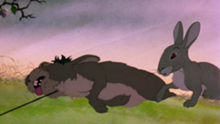
the dog can catch them. Later on he manages to figure out how to disable
a snare that has trapped one of their friends, and he just barely
escapes with his life.
The Sell Out
There's certain people
who have a wonderful knack for thinking on their feet. For some reason
they are always able to distance themselves from the urgency of any
situation, and have a clarity of thought that allows them to solve
problems while others are panicking. If you ever have the rare
opportunity to see someone pull this off, you'll never forget it. Some
people aren't even aware they have this ability if they've never been in
a dangerous situation.
In this case, Blackberry saves his fellow
rabbits several times with his quick thinking. As they flee the warren,
some of their members become exhausted and can't swim across a stream
that is in their way. Suddenly they hear a dog approaching, and their
fear and urgency tempts the group to leave the weaker members behind. He
soon discovers a piece of wood that will help them float across before
the dog can catch them. Later on he manages to figure out how to disable
a snare that has trapped one of their friends, and he just barely
escapes with his life.
The Sell Out
 Eventually,
Hazel and his companions are too exhausted to continue, and are lucky
enough to stumble upon another warren of rabbits. Their “leader” is
named Cowslip, and he offers them shelter in his home, assuring them
that they have plenty of empty burrows at their disposal. As Fiver
points out, something isn't right about this place. The warren is almost
completely empty, and the remaining residents never give a reasonable
explanation for it.
Despite their small population, they always
have an abundance of food to give to their new guests. Cowslip himself
reeks of decadence and domestication. In the book he is described as
“princely”. In the movie he is obviously well fed and pampered. He loves
to wax poetic in an effeminate, blasé voice, and appears to be a bit of
a nihilist. Their surplus of food has left them with all the time in
the world to appreciate art and culture, but has left them with poor
survival skills (I can't think of a better way to describe mainstream
America).
When Bigwig is caught in a snare, Cowslip refuses to
help. After he is rescued by Blackberry, the others figure out the true
nature of this warren. The humans from a nearby farm are feeding the
rabbits to fatten them up and maintain their numbers, followed by
trapping and eating them on an 'as needed' basis. Cowslip and his
companions begrudgingly accept their controlled lives, in exchange for
the food that is provided by the humans. Their warren only has the
illusion of being a wild and free place, when in reality, the rabbits
living there are so domesticated by human hands, they don't need even
need cages to imprison them. They march to their deaths willingly, if it
means they'll receive a free ride along the way. This is why Hazel and
his friends were allowed to stay in their warren. Having unwitting
rabbits around gives them lower odds of being snared.
The Tyrant
One
of the last warrens that is encountered in the movie, is led by a
character that is only referred to as “The General”. The book describes
his history in detail. He was at one time, caged by humans, and
eventually escaped before finding a new warren. There he managed to kill
their leaders, and take over the warren for himself. He has turned it
into a brutal, militaristic society that eventually went on to conquer
several other warrens nearby.
Eventually,
Hazel and his companions are too exhausted to continue, and are lucky
enough to stumble upon another warren of rabbits. Their “leader” is
named Cowslip, and he offers them shelter in his home, assuring them
that they have plenty of empty burrows at their disposal. As Fiver
points out, something isn't right about this place. The warren is almost
completely empty, and the remaining residents never give a reasonable
explanation for it.
Despite their small population, they always
have an abundance of food to give to their new guests. Cowslip himself
reeks of decadence and domestication. In the book he is described as
“princely”. In the movie he is obviously well fed and pampered. He loves
to wax poetic in an effeminate, blasé voice, and appears to be a bit of
a nihilist. Their surplus of food has left them with all the time in
the world to appreciate art and culture, but has left them with poor
survival skills (I can't think of a better way to describe mainstream
America).
When Bigwig is caught in a snare, Cowslip refuses to
help. After he is rescued by Blackberry, the others figure out the true
nature of this warren. The humans from a nearby farm are feeding the
rabbits to fatten them up and maintain their numbers, followed by
trapping and eating them on an 'as needed' basis. Cowslip and his
companions begrudgingly accept their controlled lives, in exchange for
the food that is provided by the humans. Their warren only has the
illusion of being a wild and free place, when in reality, the rabbits
living there are so domesticated by human hands, they don't need even
need cages to imprison them. They march to their deaths willingly, if it
means they'll receive a free ride along the way. This is why Hazel and
his friends were allowed to stay in their warren. Having unwitting
rabbits around gives them lower odds of being snared.
The Tyrant
One
of the last warrens that is encountered in the movie, is led by a
character that is only referred to as “The General”. The book describes
his history in detail. He was at one time, caged by humans, and
eventually escaped before finding a new warren. There he managed to kill
their leaders, and take over the warren for himself. He has turned it
into a brutal, militaristic society that eventually went on to conquer
several other warrens nearby.
 He treats the female members like
second class citizens, and the men are sent out on military patrols to
maintain his rule, protect the warren, and keep anyone from escaping.
The movie shows in graphic detail what happened to one member named
Blackavar, who attempted escape. After he was caught, The General had
him “marked” by being clawed, bitten, and having his ears chewed to
pieces. He's never allowed to see the surface of the burrow, and has
been cowed into submission.
You'll meet your fair share of petty,
delusional tyrants after the collapse. Heck, there's enough of them
roaming around now to clog a sewer. They're shrewd and dangerous, and
are only concerned with advancing their own goals. They'll hurt you in
any way they can if you get in their way, and if they fall, they'll take
all of their followers down with them. And sometimes, there's only one
way to stop a tyrant...
The Warrior
He treats the female members like
second class citizens, and the men are sent out on military patrols to
maintain his rule, protect the warren, and keep anyone from escaping.
The movie shows in graphic detail what happened to one member named
Blackavar, who attempted escape. After he was caught, The General had
him “marked” by being clawed, bitten, and having his ears chewed to
pieces. He's never allowed to see the surface of the burrow, and has
been cowed into submission.
You'll meet your fair share of petty,
delusional tyrants after the collapse. Heck, there's enough of them
roaming around now to clog a sewer. They're shrewd and dangerous, and
are only concerned with advancing their own goals. They'll hurt you in
any way they can if you get in their way, and if they fall, they'll take
all of their followers down with them. And sometimes, there's only one
way to stop a tyrant...
The Warrior
 Originally a faithful lieutenant
of the Chief Rabbit, Bigwig decided to flee the warren with Hazel and
the others. Ultimately he helps them escape. Time and again he survives
situations that would be fatal to most, including being trapped in the
snare at Cowslip's warren. He never fails to put his life on the line
for the rest of the group, and uses his cunning to fight foes that are
far stronger than him.
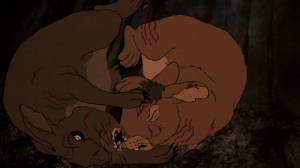
By the end of the movie he manages to
infiltrate The General's warren, and free several of their members,
including Blackavar. The General then leads a raid against Hazel's
group, hoping to kill Bigwig and punish the rabbits he freed. After
barricading all of the weaker rabbits together, he takes a final stand
against The General by placing himself between the tyrant and the rest
of the rabbits. He hides himself under a layer of dirt and manages to
surprise The General, engaging in a bloody fight to protect his friends.
He eventually defeats him, and drives him and his lackeys out of their
burrow.
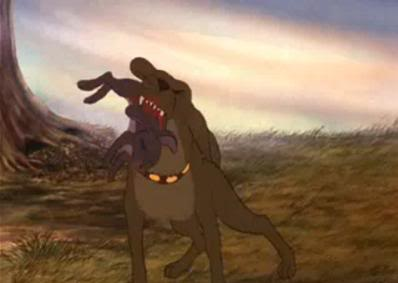
This buys enough time for Hazel and his pals to reach a
nearby farm, and chew off the leash of a vicious dog. They flee back
home and let the dog chase them straight into The General's forces. This
leads to a final climactic battle that ends with the dog savagely
killing The General and his minions.
Originally a faithful lieutenant
of the Chief Rabbit, Bigwig decided to flee the warren with Hazel and
the others. Ultimately he helps them escape. Time and again he survives
situations that would be fatal to most, including being trapped in the
snare at Cowslip's warren. He never fails to put his life on the line
for the rest of the group, and uses his cunning to fight foes that are
far stronger than him.
By the end of the movie he manages to
infiltrate The General's warren, and free several of their members,
including Blackavar. The General then leads a raid against Hazel's
group, hoping to kill Bigwig and punish the rabbits he freed. After
barricading all of the weaker rabbits together, he takes a final stand
against The General by placing himself between the tyrant and the rest
of the rabbits. He hides himself under a layer of dirt and manages to
surprise The General, engaging in a bloody fight to protect his friends.
He eventually defeats him, and drives him and his lackeys out of their
burrow.
This buys enough time for Hazel and his pals to reach a
nearby farm, and chew off the leash of a vicious dog. They flee back
home and let the dog chase them straight into The General's forces. This
leads to a final climactic battle that ends with the dog savagely
killing The General and his minions.
It was a pretty horrendous scene.
Overall,
Watership Down is a remarkable story of survival that reveals quite a
bit about the human condition. Despite being a cartoon, the story
doesn't pander or insult the intelligence of adult audiences, and the
plot seems to line up with the kinds of scenarios that many survivalists
believe we will soon be facing.
At its root, it's really a story
about refugees fleeing the total destruction of their society. The
characters aren't just trying to find a new home and avoid the traps and
predators that are found along the way. They're trying to escape from
the tyranny and temptations of a broken world, and they manage to find
freedom and decency in a place that is isolated from the rest of that
world.
I doubt any major studio would have the guts to make such a
graphic and principled cartoon for kids today. If you'd like you or
your family to see it, there's a free version on Veoh.com,
and some outrageously expensive dvd's on Amazon. Though I wouldn't show
it any children unless you feel they are mature enough to handle the
content.
As a final warning, if you watch this movie, you'll never be able to listen to “Bright Eyes” again without tearing up. I'm a real tough guy, I swear.
images provided by Watership Down Wiki