Showing posts with label Ferguson. Show all posts

Friday, November 14, 2014

You Won't Believe How Many People Are Killed by the Police Every Year

copcar
It seems like I can't go a single day without hearing about someone being shot and killed by a police officer. It's become so commonplace in America, that the news rarely makes national headlines unless police abuse is suspected; and sometimes not even then. Unless you follow organizations like Copblock, you'll only hear about a fraction of the police shootings that actually occur.
 
While it appears the U.S. has an incredibly violent police force, many would argue that our cops pale in comparison to police departments around the world. A Recent study from Brazil appears to confirm that belief.
SAO PAULO—A study by a public safety NGO says that Brazilian police killed more than 11,000 people between 2009 and 2013 for an average of six killings a day
The study was released Tuesday by the Sao Paulo-based Brazilian Forum on Public Safety.
It says police nationwide killed 11,197 people over the past five years, while law enforcement agents in the United States killed 11,090 people over the past 30 years.
“The empirical evidence shows that Brazilian police make abusive use of lethal force to respond to crime and violence,” the report says.
If this is true, than America's law enforcement agencies don't seem as bad as they're made out to be. Police in third world nations like Brazil routinely kill more citizens than our cops do. At least, that's what the official numbers say. While it remains to be seen how accurate this study is, one thing is for sure; our cops kill way more people every year than the official statistics show.

That's because, as insane as it might sound, police departments aren't required to report these statistics. As you might expect, the official numbers are pretty watered down. According to the FBI, police kill around 400 people per year, and that is only the number of “justified homicides”. If you can believe it, the government doesn't bother to report “unjustified” homicides, and they also don't report 'arrest related' deaths. As in, people killed by tasers or having a heart attack during a swat raid, etc.

So if we want to know how many people the police kill every year, justified or not, we'll never get a straight answer from the government (big surprise there). There are however, several private organizations that track this data.
Given this vacuum, attention has recently turned to some excellent nongovernmental attempts to compile this data, including the Fatal Encounters database, the recently created Gun Violence Archive and a new database created by Deadspin.
But one recent effort stood out for its apparent comprehensiveness: The Killed By Police Facebook page, which aggregates links to news articles on police-related killings and keeps a running tally on the number of victims. The creator of the page does not seek to determine whether police killings are justifiable; each post “merely documents the occurrence of a death.” He told FiveThirtyEight that he was an instructor on nonviolent physical-intervention techniques and that he prefers to remain anonymous.
Killed by Police had listed more than 1,450 deaths caused by law-enforcement officers since its launch, on May 1, 2013, through Sunday. That works out to about three per day, or 1,100 a year.
Ouch. 1,100 per year. Still, I'm sure there are some optimists out there who would point out that it's still half as many casualties as Brazil. However if you compare our data to the rest of the developed world, our police kill many times more than most western countries, even if you look at it on a per-capita basis. It could be argued that these countries don't arm their cops to same degree, but even that doesn't really account for our high mortality rates. As any gun enthusiast will tell you, having a gun doesn't make you killer.

Simply put, our police have developed a 'trigger happy' culture. They've been trained to be killers, and they've been taught to treat all citizens with suspicion. They act like they're a foreign army, occupying our cities and treating us like the enemy.

Our police are rapidly turning into third world thugs that will someday make the cops in Brazil blush. Until we can rein in this violent culture, our situation is only going to get worst from here.

Delivered By The Daily Sheeple

Thursday, October 23, 2014

Body Cameras are NOT Going to Stop Police Abuse and Corruption

body camera
The riots and protests that swept through Ferguson this summer left a huge impression on the minds of the average American. The masses got to see with their own eyes, police brutality and corruption on a massive scale. For the very first time, those events forced the mainstream media to recognize the widespread militarization of our local police.

After the dust settled, people wanted something to be done. They demanded something be done. What could we do to cut through the thin blue line, and rein in these heavily armed cowboy cops?

For most, the answer lies in equipping them with body cams. If the police are forced to record every action, we can catch them in act. Even better, the threat of being caught will keep them from abusing their power in the first place. So far there's been a few police departments that have enacted this protocol with spectacular results.

When the city of Rialto California equipped their police officers with body cams, the use of force by police was reduced by 60 percent, and the number of complaints against the department dropped by 88 percent. “Problem solved!” you might be thinking. We can finally penetrate the thin blue line. We the public, can finally hold them accountable for their actions.

Unfortunately, there's a few hiccups in that plan. For starters, it isn't going curb police corruption. Sure, we'll catch a few hotheads here and there, but by and large, I don't expect it to have any measurable effect. There's one simple fact that the proponents of body cams are ignoring.

When a cop does something truly heinous, those body cams have a tendency to “malfunction”. Footage tends to “get lost” and sometimes officers “forget” to turn them on. Take the case of Mark Byrge who had a traffic accident in Utah, and a rather painful encounter with the local police.
Byrge . . . made a single request of his captors: Owing to several back surgeries and the implantation of a $50,000 Spinal Cord Stimulator (SCS), Mark asked that the officers cuff him in front.
While explaining his condition, Mark very slowly and carefully lifted his shirt in order to display an iPod-sized rectangular lump in his lower right back.
Neither Mark’s cooperation nor his explanation made an impression on Gianfelice.
“Don’t tell me how to do my job – put your hands behind your back!” barked Gianfelice, instructing his trainee officer, Jennifer Nakai, to apply the cuffs. Before being shackled, Mark called his wife Tina to tell her he was being arrested.
Byrge says Gianfelice then pushed into the squad car and pushed him up against the seat, which Byrge says destroyed his medical device. According to medical scans of the device taken later, it stopped functioning while Byrge was in Gianfelice’s custody. The device had been implanted to treat chronic pain in Byrge’s leg. When it stopped functioning, Byrge’s leg began seizing. Gianfelice apparently took this as a sign of resisting, and so subjected Byrge to more abuse.
So what about the footage found on the body cameras that those cops were wearing? Nobody knows. Either there was a malfunction in all three cameras or they weren't turned on. The dash cam footage from the squad cars is also missing. That's not suspicious at all right?

Truth be told, even if there isn't some kind of malfunction or the footage isn't lost, the police still have a lot of control over access to these videos. They have to be. The nature of their job means that they're going to be documenting people when they are at their most vulnerable. Those cameras are going to catch scenes that most private citizens would not want the public to see. That same power that is needed to protect the privacy of the average citizen is going to make footage of police transgressions, very hard to get a hold of.

Unless a bystander films the police doing something bad, and it calls the official report into question, there's a good chance that the body cam footage will never see the light of day. The same police department that's responsible for police abuse, is also going to be responsible for the evidence of that abuse. It's a case of “who's watching the watchmen?” so to speak.

If a police department is concerned about police abuse, then these cameras will help them keep an eye on their officers. It'll stop the small stuff I'm sure. If however, a police officer does something truly terrible, something so bad it could be career ending, then there's a good chance no one is going to see it. If the department is corrupt, then no amount of technology is going to change that.

It seems like there's one more aspect of body cameras that no one has considered, but has me deeply concerned. Even if these cameras can stop unlawful police abuse, it cannot stop police abuse that is lawful. By that I mean, it will do nothing to stop the cops from enforcing unfair laws. It's not going to stop the drug war, or traffic quotas. It's not going to stop the police from shooting you with tasers if you refuse to comply. It's not going to stop them seizing your assets on a whim. It's not going to stop them shooting your dog if he barks at them.

In short, it does absolutely nothing to stop an oppressive government, because all of these things are legal. In fact, I think it will do the opposite. I think it may turn our police into the perfect enforcers of government policy.

Think about this. How often do you see a video of a cop doing something good? Every now and then a video will start trending on facebook, showing a cop respecting someone's rights, or helping someone less fortunate. They're usually quite popular, because they're also quite rare. And after seeing so many police abuse videos, we love seeing cops that are great human beings.

So why are these videos so rare? There's got to be a thousand police abuse videos, for every video of a cop doing the right thing. Somehow I seriously doubt that vicious police officers outnumber the good guys by a thousand to one.

The reason you almost never hear about cops doing good things, is because there's no reason to record it. I doubt most people think to pull out their phones unless they think something bad is going to happen. If anything, filming such actions might get the cop into serious trouble, especially if doing the right thing means breaking the laws they're supposed to enforce.

You never see a video of a cop letting a traffic ticket slide. You never see cops giving a drunk guy a lift home, instead of dumping him in jail for the night. You never see a cop finding pot on a teenager, but pretending he didn't see it because he doesn't want to ruin his life. And if a cop stops an old lady, and discovers he or she is packing a pistol without a permit, you'll never see the video of him letting it go because he knows the neighborhood is so dangerous. It's the good deeds that you'll never see.

Maybe I'm just naive, but I'd like to think that there's still a lot of good people in law enforcement. Like any institution, there's good guys and bad guys. But, if you force them to wear body cameras, you're forcing them to follow every law, and there's so many laws on the books, that we're all guilty of something. The state has made sure to enact so many vague and arbitrary laws, that any of us could be arrested at any time.

My point being, there's a lot potential for this to be used against the public. I foresee this technology being used, not to prevent police abuses, but to watch over the shoulder of every police officer. Put a bureaucrat in every department, whose sole job is to stare at live feeds of body cams all day. Make sure officer so and so is doing his job, even when his job becomes unethical. Make sure he's generating his monthly quota, busting jaywalkers and loiterers all day. Make sure he's busing every homeless person to the edge of the city limits.
Maybe they'll give that bureaucrat a live mic to, so he can whisper orders every minute of the day. “don't let that protester out of your sight. That dog is looking at you funny, shoot him. That citizen is parked in the red, taze him. That woman is filming you, book her and send her to county.”

What a nightmare.

Remember, for every cop who joined the force so he could hurt citizens with impunity, there's another cop who joined because he thought he could make the world a better place. If these cameras end up being used to enforce the law rather than protecting our rights, it will drive away every “good cop” from the field. There will be no human beings left in our police departments. There will only be yes-men and sadists

Forcing the police to wear body cameras won't stop the militarization of our police, and it won't end the corruption and abuse. If anything, it's going to turn police officers into nothing more than mobile spy cameras for Big Brother. The only thing that will put an end to the abuse, is ordinary citizens filming and documenting the police with their own cameras, and letting the world see it. We've seen what the government does with technology, and it's almost never been good. Why should we expect it to be any different this time around?

Technology in the hands of the government is tyranny. Technology in the hands of the people, is freedom.

Delivered By The Daily Sheeple

Wednesday, September 10, 2014

 Don't Attend a Protest Without Taking These Essentials With You

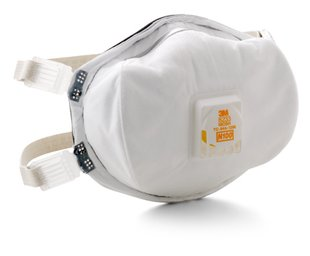
respiratorAs the events that unfolded in Ferguson begin to fade away from the news cycle, we should stop and take a good look around at own communities, because the militarization of the police is no isolated incident. For many years, towns and cities across America have been facing this growing threat within their political offices and police departments. We should ask ourselves, how far are we willing to go to secure our rights? If the police and bureaucrats in your community begin to overstep their bounds, would you take your outrage to the streets?

If you ever decide to engage in a peaceful protest for any reason, you should entertain the possibility that it may become violent at any time. Perhaps the police will overreact, or opportunistic criminals may use the protest as cover to loot stores and private residences. No matter who is at fault, a decent protest can turn ugly on a dime. If this occurs, there's a few things you don't want to leave your home without.

Clothing


No matter what time of the year it is, you should always wear long sleeves and long pants to a protest. It seems like every image I see of a protest in the U.S. contains at least one person who looks like they're dressed for a picnic. If the police decide to fire off their tear gas, you'll immediately regret your decision to wear your short shorts to the picket line. Tear gas isn't just an eye and mouth irritant, but a skin irritant as well, and a good pair of jeans with a long sleeve shirt will provide a decent barrier between you and the gas.

If it's hot out, suck it up, wear cotton, and bring more water because there isn't really any other way around this. Being exposed to tear gas is a lot like getting a sunburn. While the pain in your eyes and mouth will normally subside within an hour or two, your skin may still burn for several days. Also, be sure and bring an extra t-shirt to change into. Tear gas can really cling to clothing, and continue to burn you until you find a new set of clothes.

Being fully dressed will also have the added benefit of protecting you from the sun, which you'll need because you probably don't want to wear sunscreen. Any oil based lotion or sunscreen will trap the tear gas and adhere it to your skin, making it extremely difficult to remove. If you must use sunscreen, find a water based product rather than the typical oil based sunscreens.

Respirator

CS gas, also known as tear gas, isn't actually a gas at all. It's usually either an aerosol containing very fine particles of a volatile solvent, or a concentrated form of capsaicin. While you can buy a gas mask and a filter specifically designed for tear gas, these tend to be pretty pricey. Most standard respirators you find at the hardware store will successfully filter out tear gas. Look for anything that is rated N100, which means it will filter out nearly 100 percent of any particulate matter in the air.

I would actually advise against buying a full blown gas mask for a protest. In my experience, the eyepiece will give you poor peripheral vision, and they tend to fog up, so you'll want your eye and lung protection to be separate pieces. They will also make the simple act of breathing very difficult, so any simple activity (like running for your life) will be absolutely exhausting

In addition, gas masks will have you standing out from the crowd. I suspect that when riot cops see someone wearing a military style gas mask (which are also pretty intimidating), they see that person as a “veteran” protester and an agitator. It may be a better idea to buy something a little more innocuous like a disposable respirator.

Goggles

Having a separate pair of goggles will be an essential addition to your respirator. You'll want something that can quickly and easily give you a perfect seal around your eyes, like swimming goggles. Modern swim gear also has the added advantage of having great peripheral vision and anti-fogging treatments. If you suspect the police will use rubber bullets, you may also want to opt for shatterproof goggles. Whatever you do though, DO NOT wear contact lenses to a protest, or at least take them out if things start going south. They have a tendency to collect and trap the irritants in tear gas, and may even cause blindness.

First Aid

There seems to be a lot of different opinions on how to treat an exposure to tear gas, so it's difficult to judge what works best. One treatment that seems to be very consistent and popular, is a 50/50 mix of Maalox and water. Having a little spray bottle of this can be used to relieve the burning sensation in your eyes and mouth.
As for physical injuries, a first aid kit would be an obvious choice, but you'll want something specific to the injuries you may face in a riot. Bring some tampons or a maxi pad in case you receive an open wound from a rubber bullet or baton. The absorptive qualities of these feminine products work wonders on serious injuries, and can quickly stop the bleeding.

Sports Gear

While the goggles should work to protect your eyes from gas and rubber bullets, there are several more spots on your body you should keep in mind. Although cops are trained to aim for the torso with rubber bullets, these projectiles are also inherently inaccurate, so they can end up landing in the more vulnerable parts of your body.

To protect your head, something like a hard hat used in construction should work well. Personally, I'd probably take a bicycle helmet, for the same reason I wouldn't wear a gas mask. It's a pretty innocuous object that wouldn't look out of place, and you can strap it to your backpack or purse for safe keeping. Just don't be the guy walking around in an army helmet. You'll stand out to the cops in a really bad way.

The neck is another extremely vulnerable region that you'll want to consider. A rubber bullet to the jugular could feasibly rupture a vein or crush your windpipe (the more I talk about this, the more I wonder if rubber bullets should be considered “non-lethal”) so you may want to buy one of the neck guards that are used by hockey players. Many of these are very small, and easy to stow away in a backpack.

And guys? don't leave home without an athletic cup.

Delivered By Ready Nutrition